



- Overview
- Itinerary
- Major sites
- Gallery
- Accommodation
The Silk Road and the Lemurs is a captivating journey full of adventure and natural and cultural discoveries.
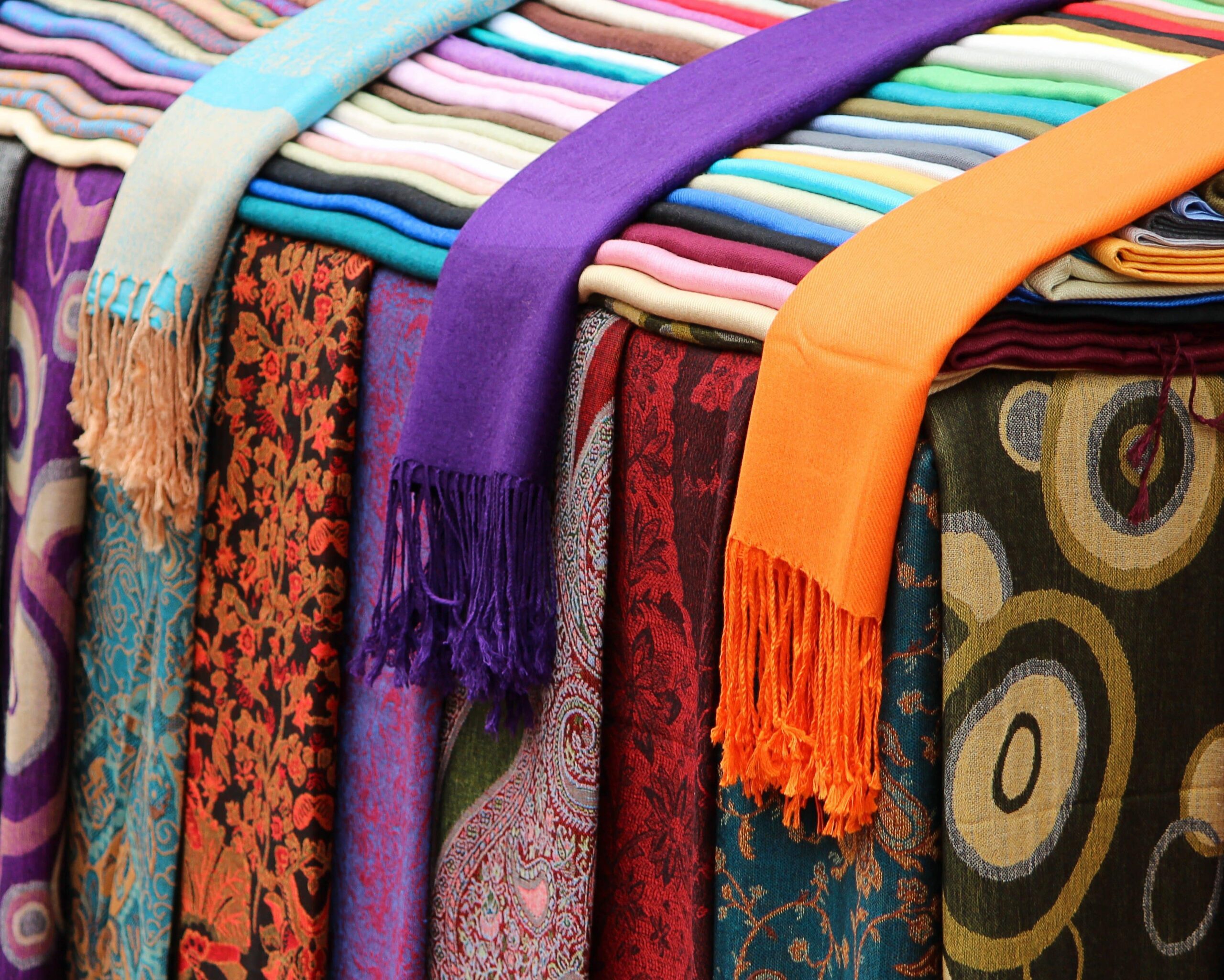
It is a true immersion into the heart of traditional Malagasy craftsmanship and the island’s incredible biodiversity, where responsible and community-based tourism truly comes to life. You will meet local village communities who have been working with the famous wild silk and cultivated silk for generations, along with many other handcrafted products, and visit a workshop where the renowned Atemoro paper is made.
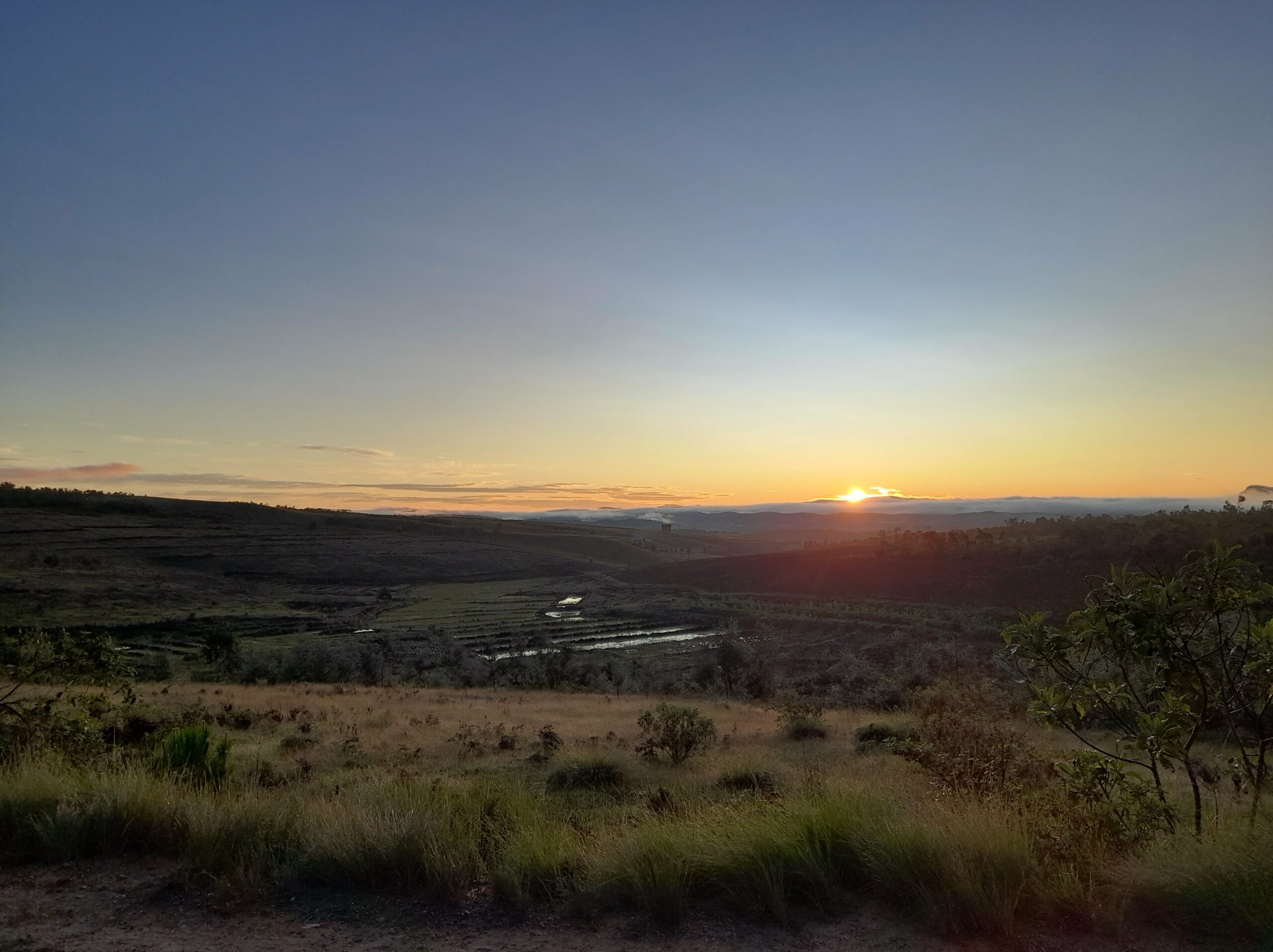
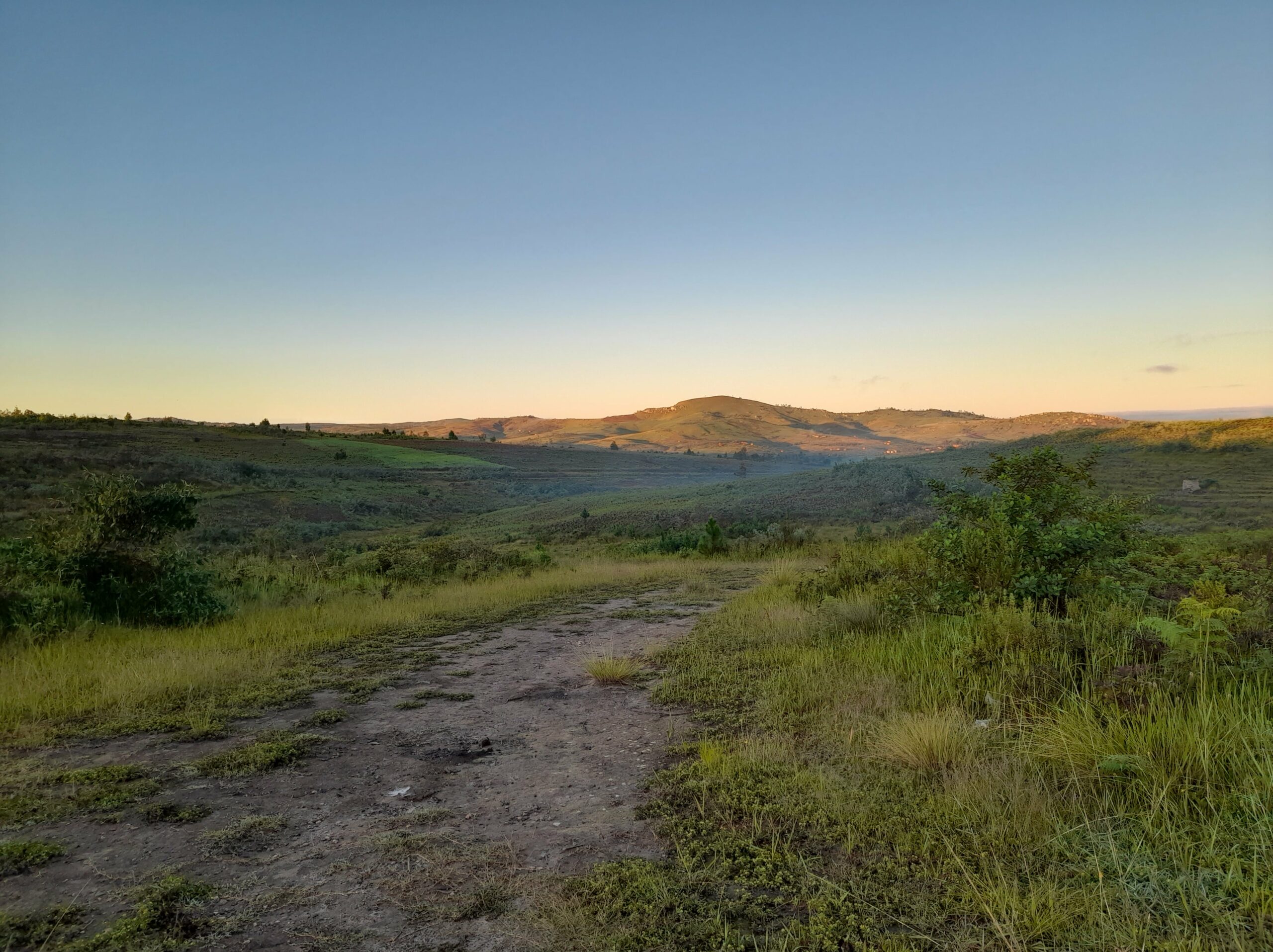
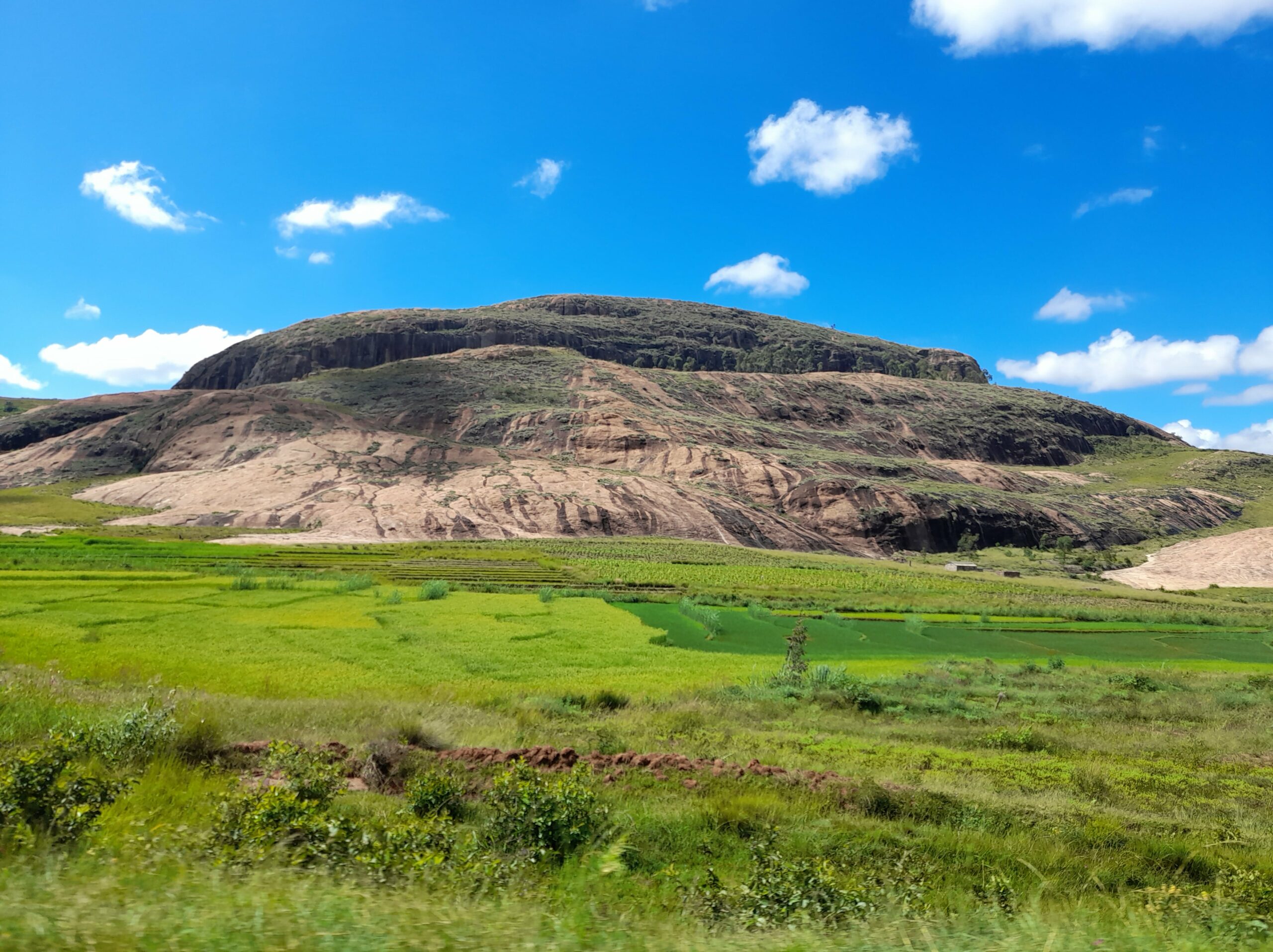
The Southern Axis is full of stunning, typical landscapes and stands out for the diversity of its reliefs, shapes, and colors. It is home to charming villages reflecting Madagascar’s various ethnic groups, as well as spectacular scenery worthy of classic western films. Hiking in national parks with a high level of endemic flora and fauna is also a highlight, delighting ecotourism lovers and lemur enthusiasts alike. And what could be more relaxing than unwinding on the beautiful beaches of the South?
No details found.
Itineraries
Day 1
Antananarivo – Antsirabe
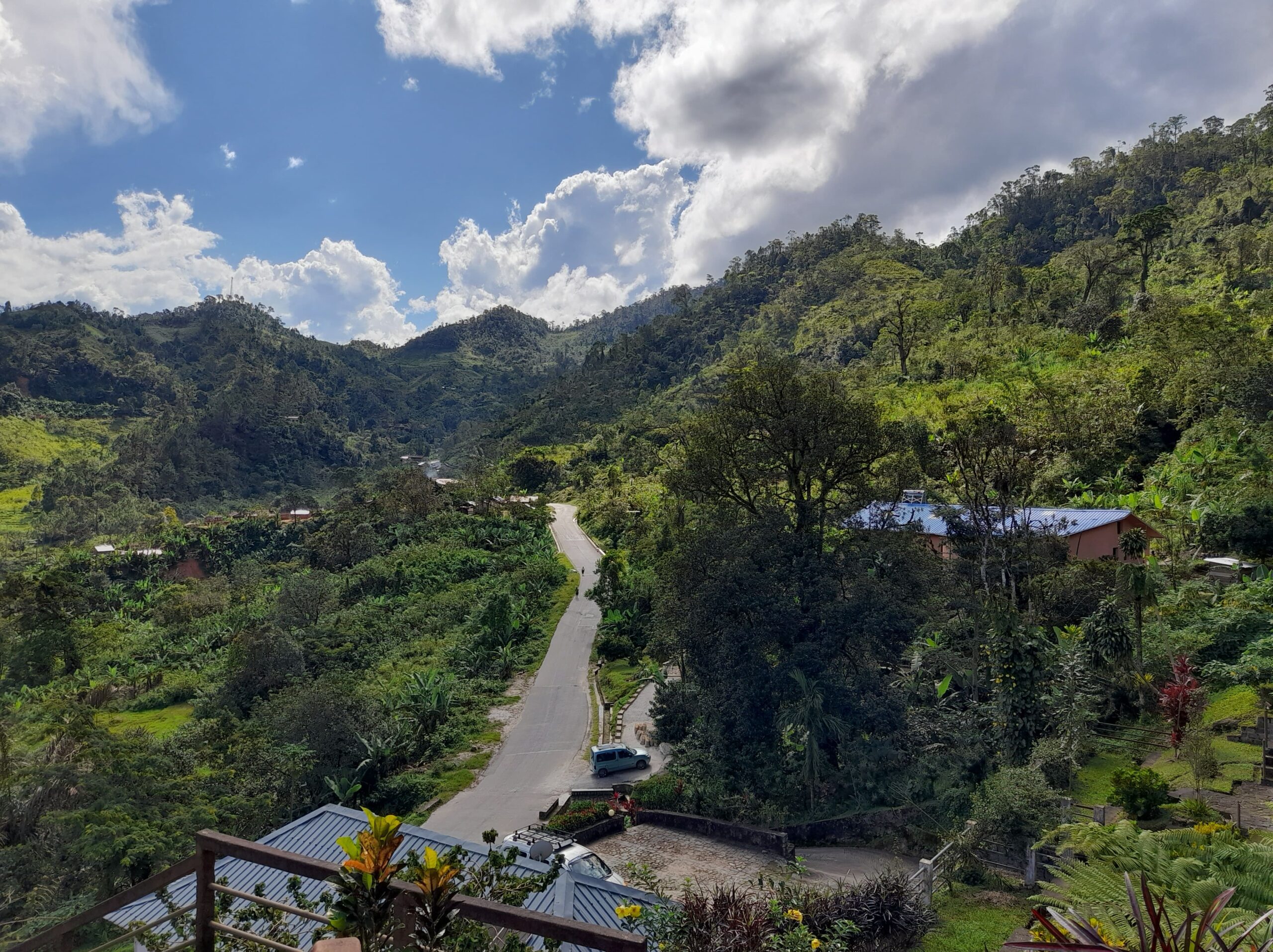
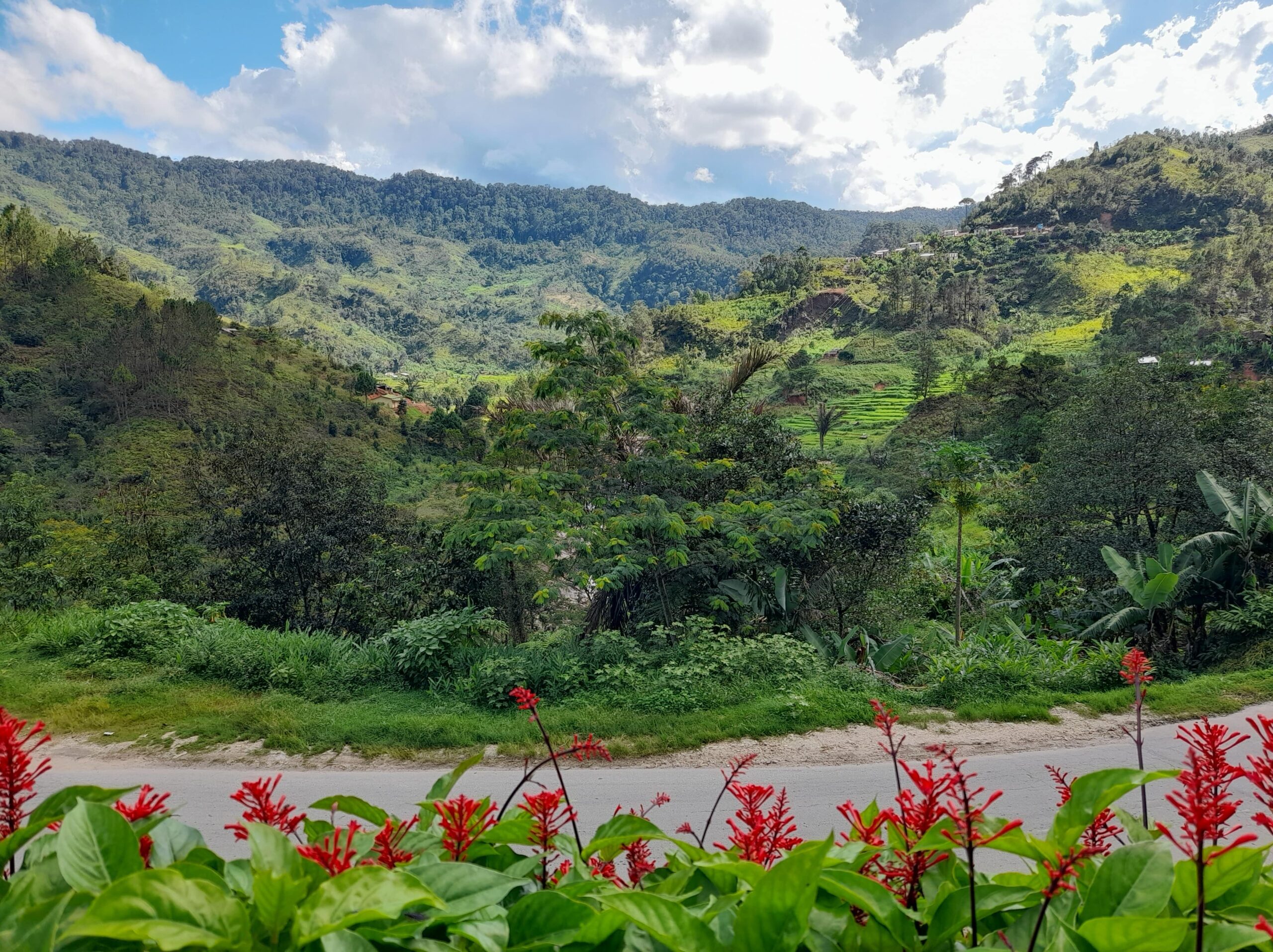
The Southern circuit of Madagascar promises truly remarkable and beautiful adventures. The journey begins with the discovery of the rural world of the Central Highlands, with their rice fields and unique traditional farming techniques. A stop in Behenjy is a must to taste the famous local foie gras. The trip then continues to Ambatolampy, located at the foot of the Ankarana. The town is known for its artisanal aluminum cookware workshops as well as its abundant blooming mimosa trees. Antsirabe, the “City of Water,” is the final destination of this first day. There, you can visit local craft workshops as well as the thermal spa, where relaxing baths with numerous therapeutic benefits are available. Dinner and overnight at the hotel.
Day 2
Antsirabe - Ambositra - Ranomafana
Ambositra is the next small town on the route between Antsirabe and Ranomafana, set in a unique mountainous and agricultural environment unlike any other. Renowned as a center of craftsmanship (marquetry, wood carving, etc.) and culture, it serves as a commercial hub for talented artisans from remote villages who come to sell their handmade products. After visiting the workshops and craft shops, the journey continues towards Ranomafana for a unique adventure. Dinner and overnight at the hotel.
Day 3
Ranomafana – Fianarantsoa
The visit to Ranomafana National Park, home to a primary humid tropical rainforest, is truly an unforgettable experience. The park features 25 waterways and three major rivers, one of which feeds a hydroelectric power station, as well as a thermal spring, which gives Ranomafana its name, meaning “hot water” in Malagasy. Visiting the park allows you to admire the rich biodiversity of the region. It is home to 12 species of lemurs, including the Golden Bamboo Lemur and the Greater Bamboo Lemur. The flora is equally exceptional, with aquatic plants, orchids, palms, various medicinal plants, and carnivorous species. The fauna includes rare and endangered species such as the Greater Bamboo Lemur, as well as frogs, chameleons, reptiles, and a wide variety of birds. This immersion in nature reveals a true paradise, especially for ornithologists and botanists. Afterwards, enjoy swimming and relaxation in the thermal pool. After lunch, the journey continues along National Road 7 towards Fianarantsoa, an old historic town and the capital of the Betsileo ethnic group. Dinner and overnight at the hotel.
Day 4
Fianarantsoa – Ranohira
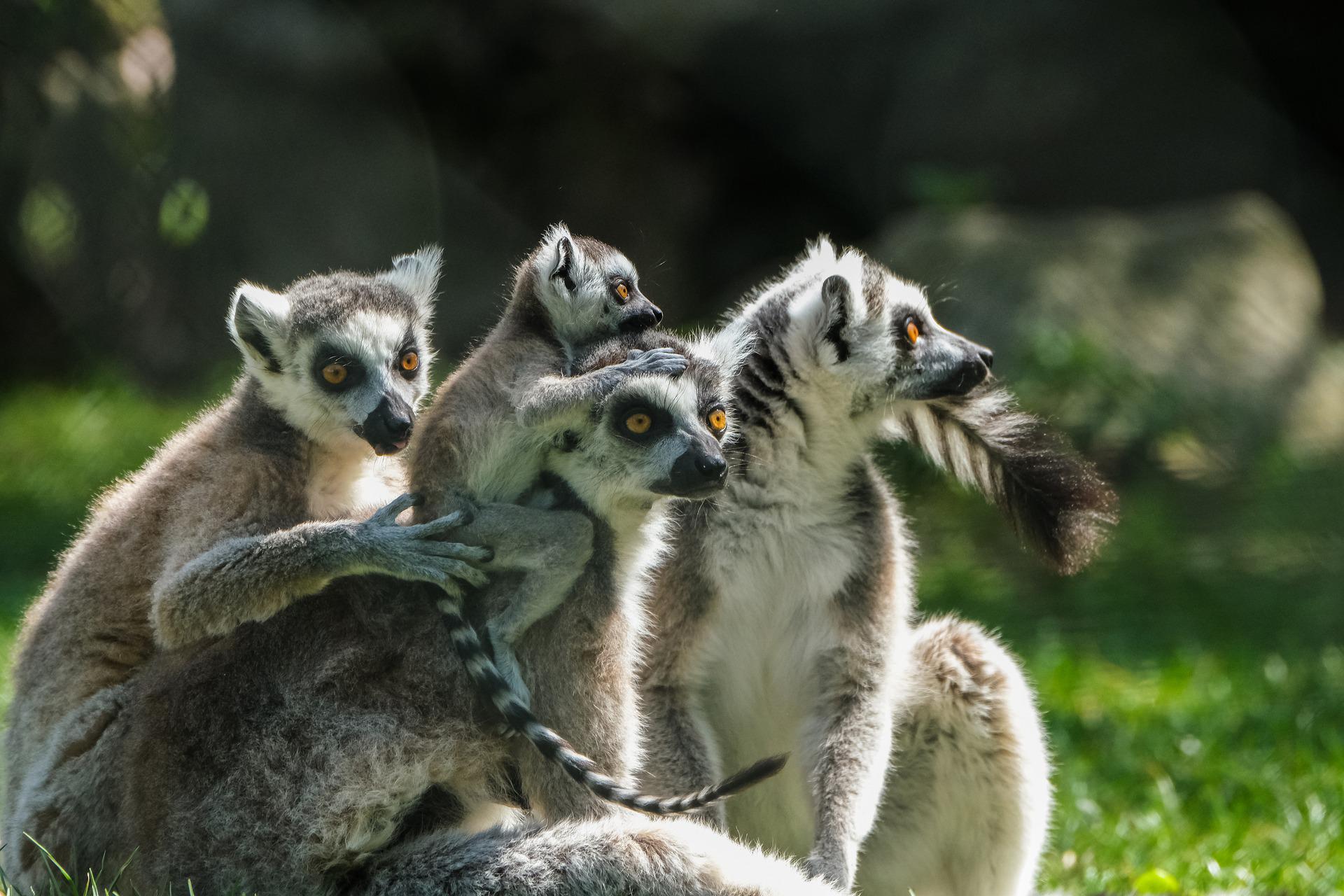
Early departure for a visit to the highlands of Fianarantsoa, followed by the continuation of the journey towards Ambalavao, a major zebu market and an important wine-producing area in Madagascar. This village, located near the Andringitra Massif, is also known for producing the famous “Antemoro paper,” a highly resistant paper made from plant fibers. As Ambalavao is also an important center for “Lambalandy” (wild silk fabric), you will have the opportunity to visit traditional workshops where natural wild silk is woven. During a stop 12 km south of Ambalavao, you will visit the Anja Community Reserve, managed by a local village association and focused on nature conservation, tourism, and local economic development. This experience offers the chance to observe the ring-tailed lemur (Lemur catta) as well as various species of chameleons. The circuit then continues towards Ranohira, crossing the landscapes of Ihosy, with a photo stop at the “Bishop’s Hat” and the vast steppe and savannah plains of the Ihorombe Plateau. Dinner and overnight at the hotel.
Day 5
Ranohira (Parc d’Isalo)
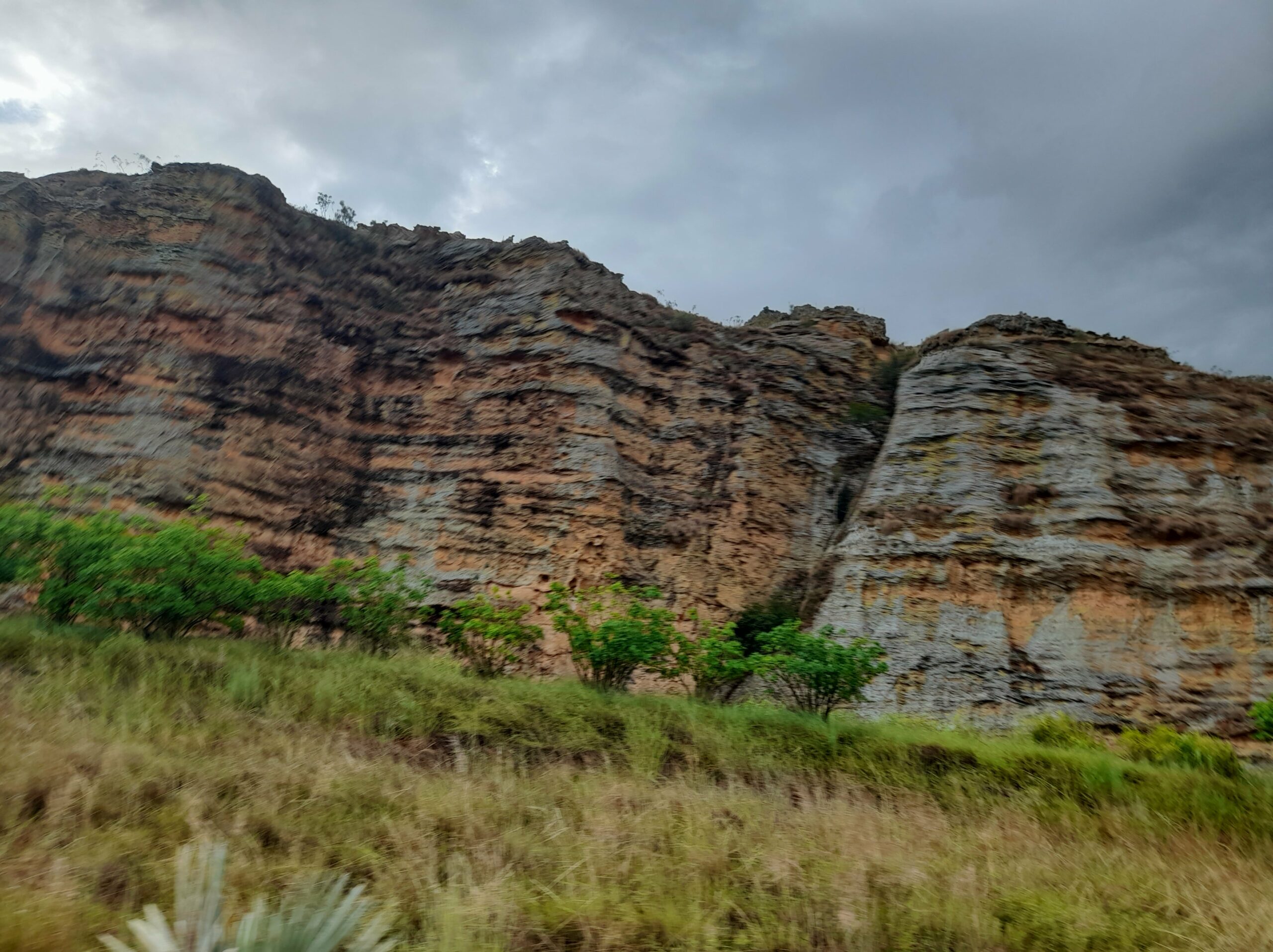
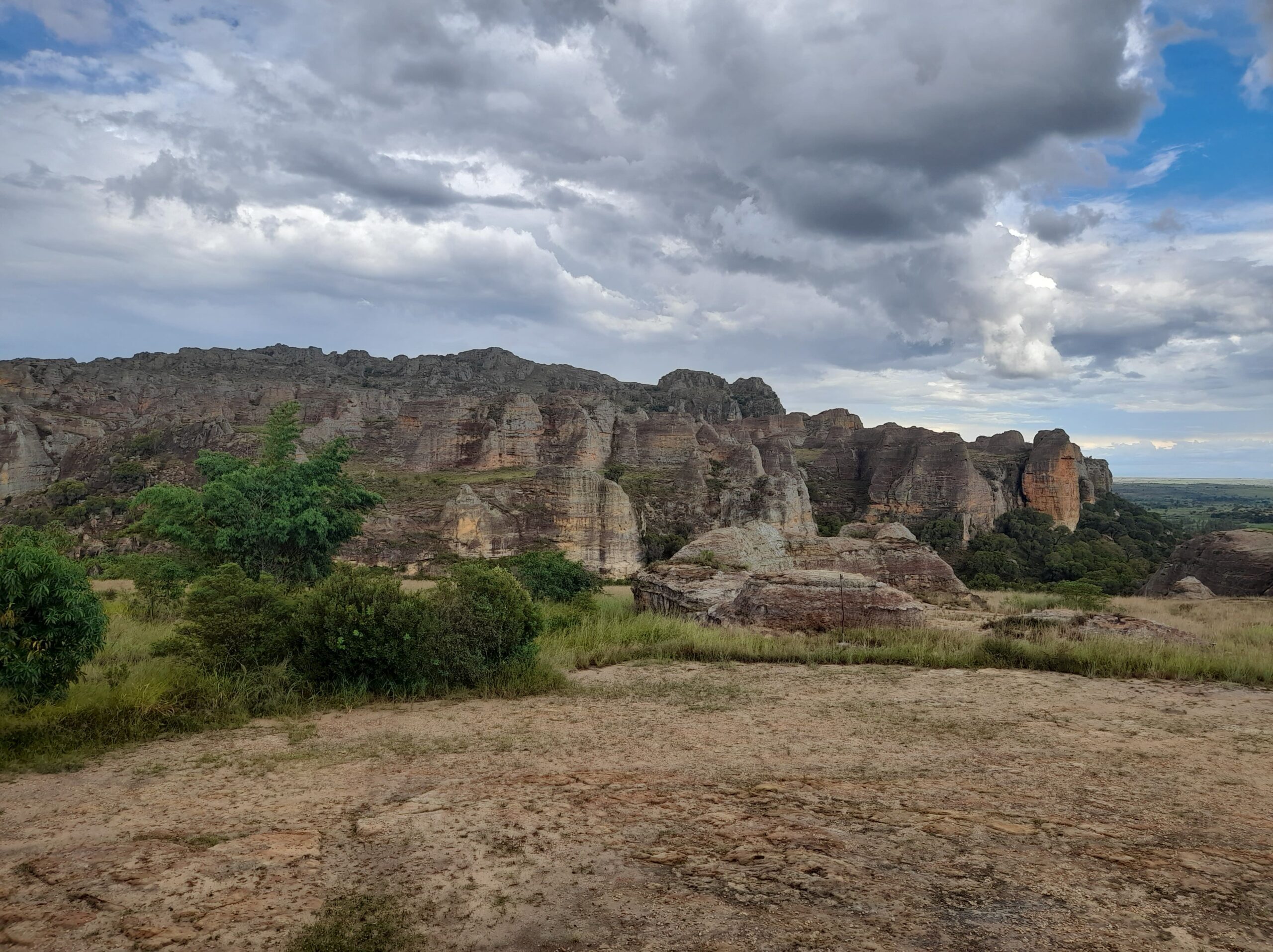
A full day is dedicated to exploring the famous Isalo National Park, featuring a lunar-like landscape of continental sandstone dating back to the Jurassic period. An adventurous hike through this impressive massif leads you to the “Natural Swimming Pool,” inviting you to relax in a lush oasis fed by a warm waterfall. The Makis Canyon offers breathtaking panoramic views, as well as the opportunity to discover ancient royal enclosures and villages, including the King’s tomb and Bara burial sites. While walking through the lush gorges, you will observe the park’s exceptional flora, along with numerous groups of lemurs. Birds, butterflies, and lizards are also abundant in this remarkable ecosystem. You will end this unique experience in Ranohira by capturing a photo at the Isalo Window during a magnificent sunset. Dinner and overnight at the hotel.
Day 6
Ranohira – Tuléar – Ifaty
At the end of the Grand South circuit lies Toliara, a true mosaic of ethnic groups and a city driven by the rhythm of tsapiky music. The local population is warm and welcoming, and the surrounding landscapes are truly beautiful. You may visit Reniala Park (“Mother Forest”), also known as the Domergue Reserve, a spiny forest and baobab sanctuary where you can find one of the oldest living baobabs, estimated to be over 1,500 years old. Heading north, the seaside resort of Ifaty offers many charms: beautiful beaches near authentic fishing villages, lagoons teeming with colorful coral fish, and traditional Vezo fishermen sailing their pirogues. Depending on your preferences, you can enjoy relaxation, snorkeling, or diving. Dinner and overnight at the hotel.
Day 7
Ifaty
A day of discovery at Saint Augustine Beach, where you will immerse yourself in the lifestyle of the Vezo people. The Vezo fishing village is located directly opposite a mangrove swamp, where lemurs can sometimes be observed at sunset. You will also experience the sacred cave of Sarodrano, which protects an underground river. The Sarodrano mangrove, covering around one hundred hectares, is home to endemic bird species of the region as well as ring-tailed lemurs (Lemur catta). Saint Augustine Bay is a unique and still-preserved landscape, rich in the southern region’s marine resources. Dinner and overnight at the hotel.
Day 8
Ifaty – Anakao
Early departure from the hotel towards Toliara, followed by a speedboat transfer to Anakao, the famous Vezo fishing village located in the magnificent Bay of Saint Augustine, with its crystal-clear turquoise waters. After check-in at the hotel, you will spend the rest of the day relaxing peacefully on the beautiful white-sand beach, where time seems to stand still. Dinner and overnight at the hotel.
Day 9
Anakao
You will enjoy a free stay on the paradise beach of Anakao, with a selection of optional activities of your choice. Dinner and overnight at the hotel.
Day 10
Anakao – Tuléar – Antananarivo
The beach stay ends with a transfer to Toliara Airport for your flight back to Antananarivo. Dinner and overnight at the hotel.
Day 11
Antananarivo
You will spend a pleasant day exploring the capital during a city tour, discovering a city where tradition and modernity blend harmoniously. Antananarivo is a vibrant and energetic city, rich in history and culture. A visit to the Upper Town and the Queen’s Palace will take you back in time, with its beautiful architecture and fascinating stories about the monarchy and local heritage. The panoramic view over the city and Lake Anosy is breathtaking, with the sacred hills surrounding the main hill where the Royal Palace stands. You will also have the opportunity to taste Malagasy cuisine and appreciate the craftsmanship of local artisans during a souvenir shopping stop at the handicraft market. Dinner and overnight at the hotel.
Day 12
Antananarivo – Ivato
It is time to transfer to Ivato International Airport for your return flight. We look forward to welcoming you again soon!
Ambatolampy and its craft workshops
Located on National Road 7 and a few kilometers from the foot of the Ankarana Massif, Ambatolampy is a typical small rural town in the High Plateaus region. It is renowned for its family-run foundries and the production of various aluminum objects, tools, and decorative items crafted by skilled local artisans.
The Spa town of Antsirabe
Visiting the beautiful region of Antsirabe, with its lush green landscapes, renowned volcanic lakes (Tritriva, Andranomafana, and Andraikiba), and its thermal spa is a must for beginning a wellness journey. Visitors can enjoy baths with numerous therapeutic benefits in a peaceful and harmonious environment. The “City of Water” is rich in history, heritage, culture, and traditions, reflected in its handicrafts made from zebu horn and natural fibers.
Ambositra, city of Culture and Crafts, and its Zafimaniry art
Once known as the “City of Roses” for its impressive floral surroundings, Ambositra is also recognized as the capital of Malagasy craftsmanship and marquetry, and as the cradle of Zafimaniry art—a highly refined woodcarving tradition inscribed on the UNESCO Intangible Cultural Heritage list since 2008. Upon request, a visit to the village of Soatanana offers the opportunity to observe the production of natural silk fabrics. Ambositra is a charming stopover that will not leave you indifferent.
Beyond its craftsmanship, Ambositra’s cultural richness is also expressed through the traditional “Famadihana” ceremony, or turning of the dead, which takes place over several days and features various festivities and local culinary specialties. The “Savika” show, a traditional bull-taming sport, is also highly appreciated in the region.
Ranomafana Park and Spa Resort
Ranomafana National Park, nestled within a vast humid tropical rainforest, is one of the most visited tropical parks. It is listed as a UNESCO World Heritage site and is home to an impressive endemic biodiversity of both flora and fauna, magnificent waterfalls, and natural hot springs that make it truly unique. The park includes 25 waterways and three major rivers, one of which supplies a hydroelectric power station, as well as a thermal spring, which gives Ranomafana its name, meaning “hot water” in Malagasy.
It also hosts an exceptional flora composed of aquatic plants, orchids, palms, various medicinal plants, and carnivorous plants. On the fauna side, 12 species of lemurs, including the Golden Bamboo Lemur and the Greater Bamboo Lemur, find refuge here, along with frogs, chameleons, reptiles, and a wide variety of birds. It is a perfect stop to enjoy nature and the healing benefits of the thermal springs of the resort.
Fianarantsoa: the city of wine and tea, between history and culture
Fianarantsoa, meaning “the city where good things are learned,” is the gateway to the southern region of Madagascar. It is a highland city rich in history and culture, built on the slopes of Ivoenana Hill. For a long time, it has been considered the city of education and learning, which explains the literal meaning of its name. It is home to numerous religious buildings and institutions reflecting its long-standing Christian heritage. The city is also well known for its tea plantations, highly appreciated throughout the island, as well as its local winemaking expertise. For those seeking adventure, an extraordinary train journey is also available, linking Fianarantsoa to the coastal town of Manakara on the Indian Ocean.
Ambalavao at the heart of the manufacture of silk and Antemoro paper
Located about fifty kilometers from Fianarantsoa, the charming town of Ambalavao will delight you with its beautiful pastel-colored veranda houses, featuring wooden balustrades decorated with geometric patterns, typical of southern Malagasy culture. Beyond being the second-largest zebu market in Madagascar, Ambalavao is also known for producing fine wild silk fabrics called “Lamba Landy.” The town is also famous for the production of Antemoro paper, whose origins date back to early Arab migrations in the early 16th century. Twelve kilometers south of Ambalavao lies the Anja Community Reserve, home to endemic flora and fauna, including a population of ring-tailed lemurs (Lemur catta). Ambalavao’s ancestral culture also reveals traditional tombs adorned with zebu skulls, hidden within rock formations. For wine enthusiasts, the vast vineyards surrounding Ambalavao stretch as far as the eye can see, as the region is also recognized as an important wine producer in the country.
Isalo National Park
The southern route crosses vast stretches of steppe and savannah across the Ihorombe Plateau. This region is gradually evolving towards modern agricultural development, with fields of jatropha used for biofuel production and moringa cultivated for essential oil extraction.
The journey then leads to Ranohira and Isalo National Park, where you discover the impressive Isalo Massif, famous for its “American Wild West”-like landscapes.
Nature lovers will find paradise here: the park is home to a wide variety of animal and plant species, many of which are endemic. It contains around 400 plant species, including Pachypodium rosulatum, Catharanthus ovalis, and members of the Apocynaceae family as endemic species. The park also features regional palm species such as Bismarckia nobilis, known for its fire resistance. Its fauna includes around 77 bird species, several lemur species such as Propithecus verreauxii, Mirza coquereli, and Lepilemur ruficaudus, about fifteen amphibian species, numerous micromammals, and over thirty reptile species.
Adventure seekers are also well catered for, with various hikes available, including the Namaza Canyon, the natural swimming pool, and many other explorations.
The unforgettable highlight is capturing a sunset photo at the “Isalo Window,” a naturally eroded rock formation offering a spectacular view.